Key takeaways
- Trenchless repair works from the inside of the pipe or from small pits.
- The main methods are pipe lining, pipe bursting and spot repair.
- A camera inspection decides which method fits.
- It is usually less disruptive, but not right for every pipe.
The idea in one paragraph
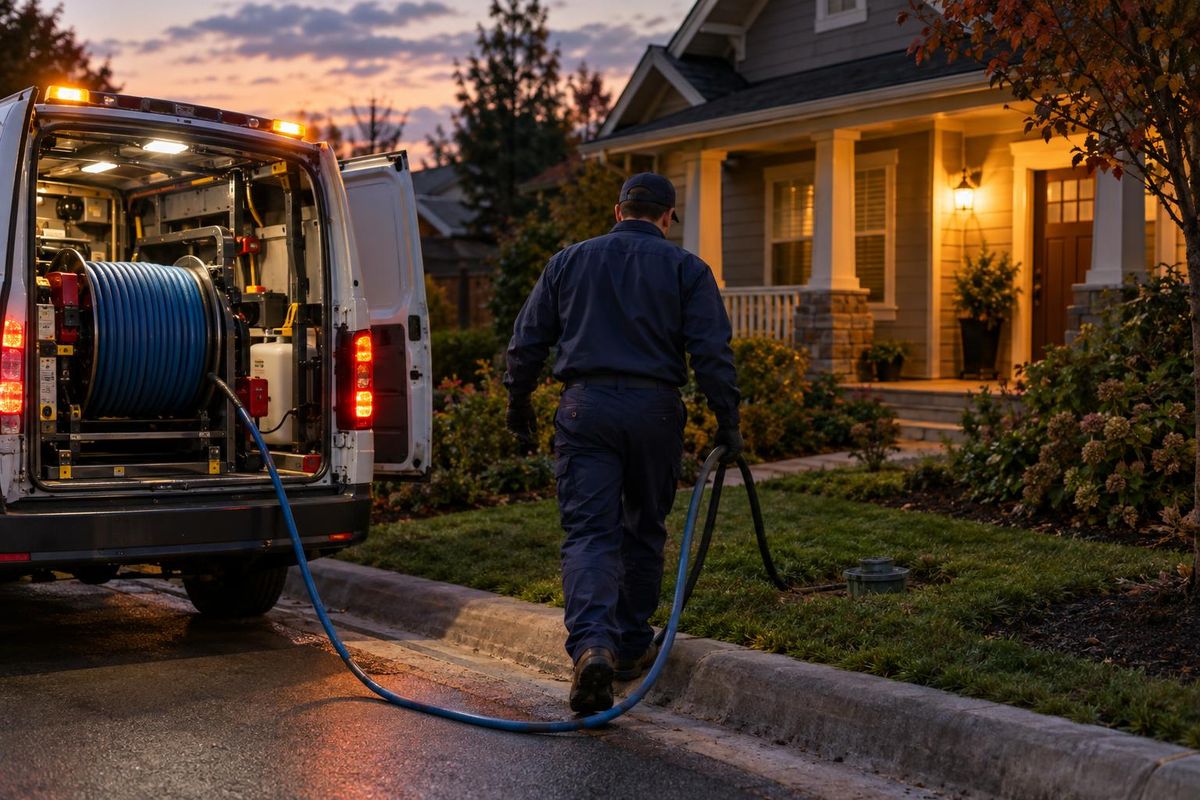
Traditional sewer repair digs a trench along the entire pipe. Trenchless repair avoids that by working through a cleanout or one or two small access pits. The pipe is repaired from the inside or replaced by pulling a new pipe through the old path.
The goal is the same: a working sewer line. The difference is what happens to your yard.
The main methods
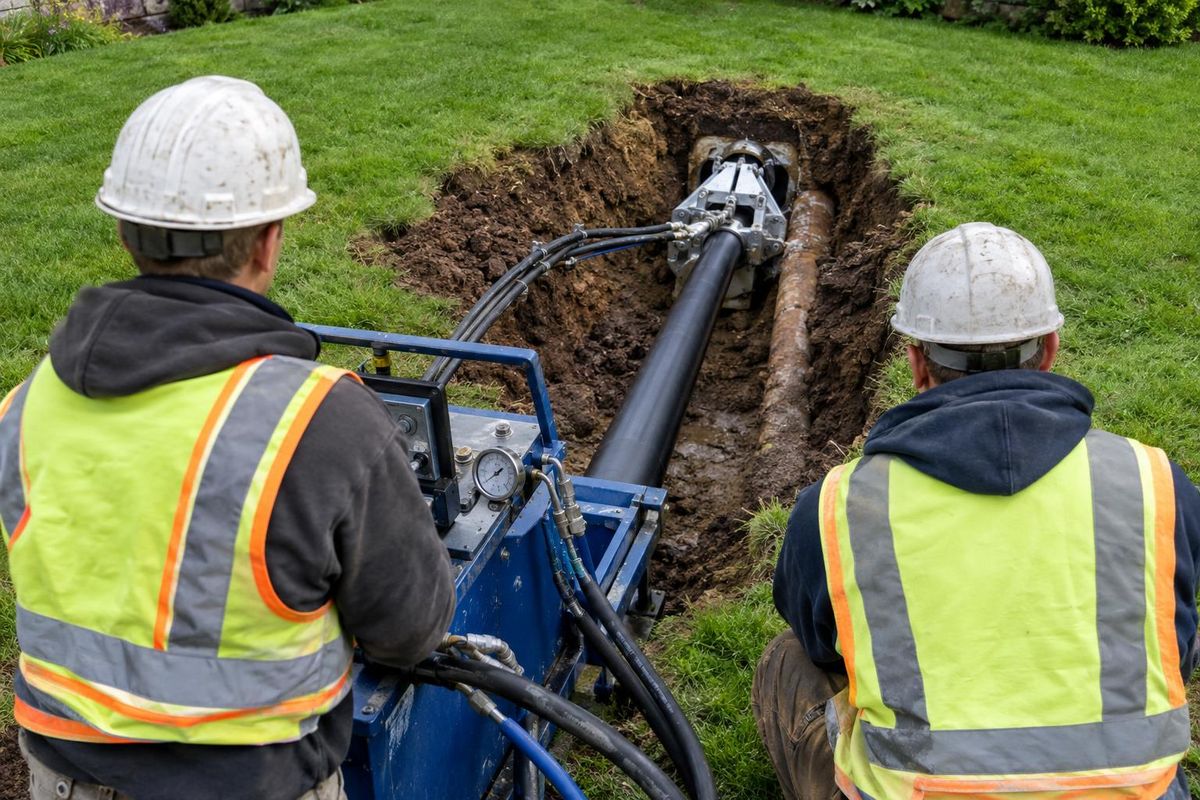
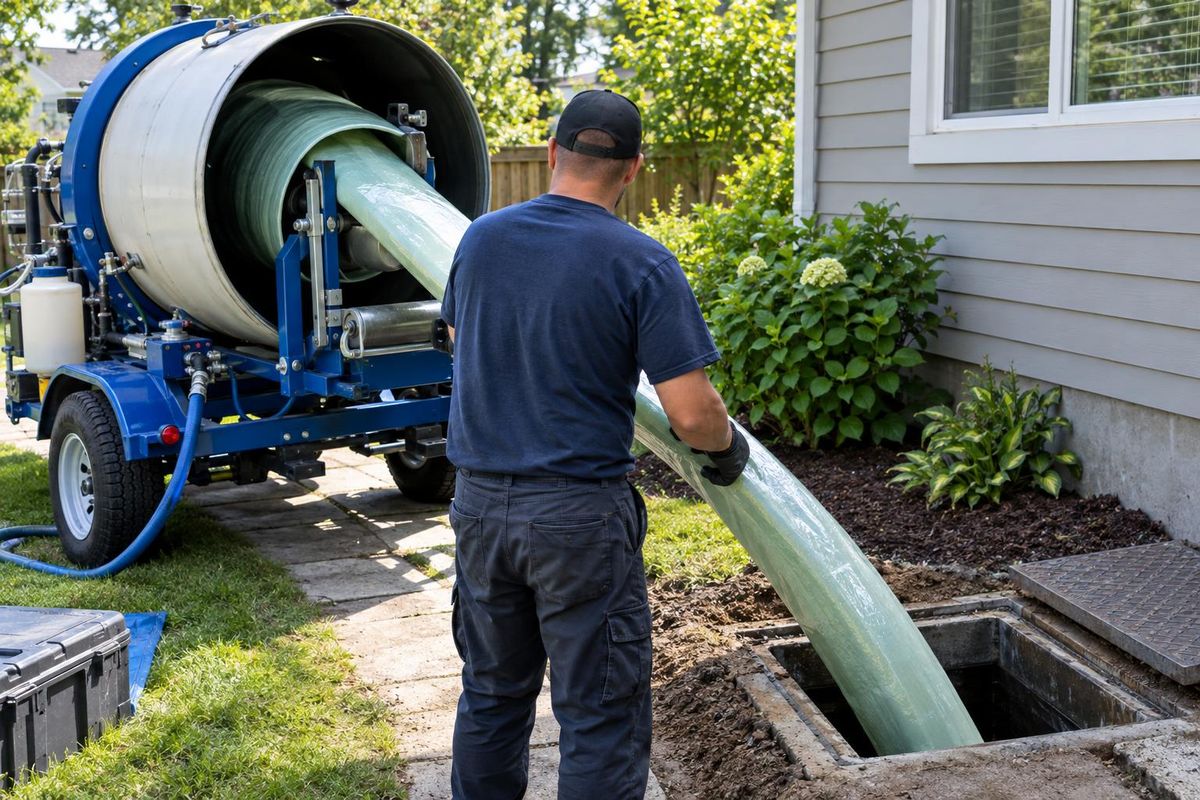
Pipe lining places a resin liner inside the old pipe and cures it into a new pipe. Pipe bursting breaks the old pipe outward while pulling in a new one. Spot repair patches a short damaged section.
Each suits a different condition of pipe.
Why a camera comes first
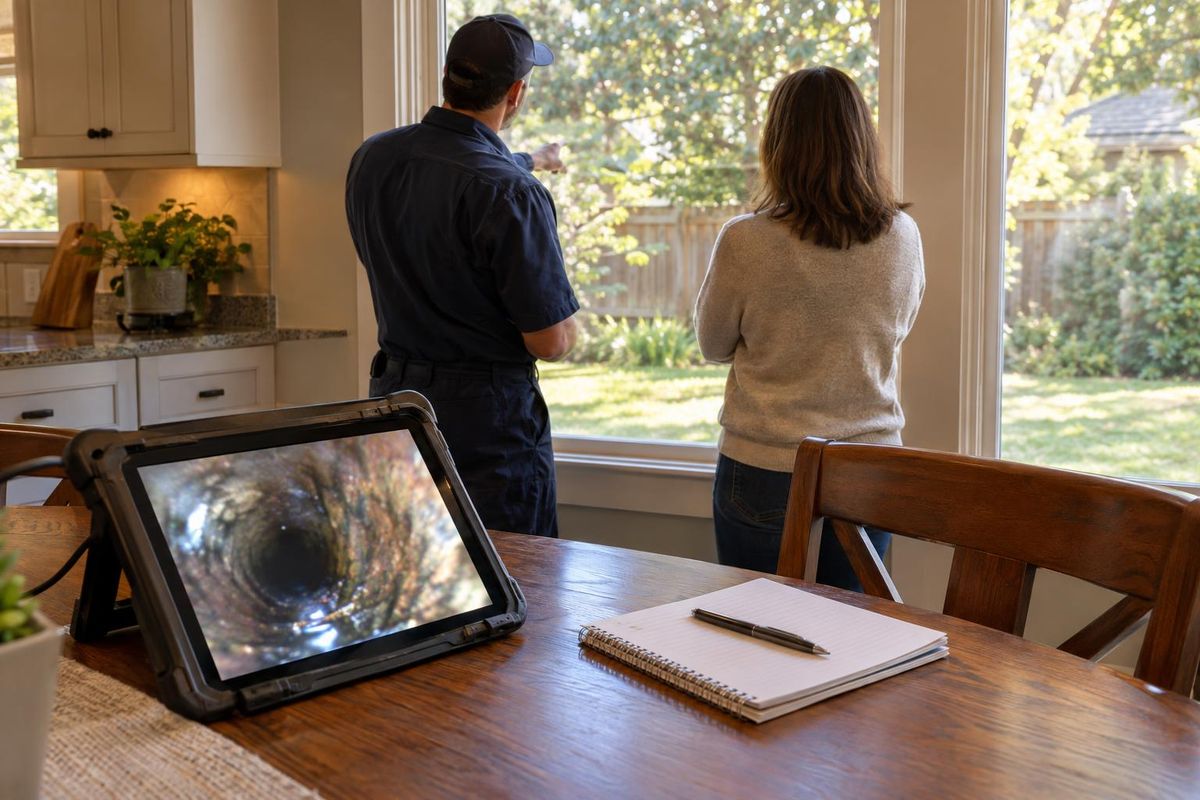
The camera shows the pipe material, the number and type of defects and whether the pipe is collapsed or sagging. It also confirms where the line runs and how deep.
Without it, any recommendation is a guess.
When trenchless is not the answer
Badly collapsed pipe, deep sags and some unusual layouts may need a small excavation. A good contractor tells you honestly when that is the case.
The best method is the one that fits your pipe.
Quick answers
Is trenchless repair permanent?
It is a lasting repair when matched to the pipe and installed well. A camera inspection afterward confirms the result.
Will I still have a hole in my yard?
Often one or two small pits, or none if a cleanout is enough. We restore the areas afterward.