Key takeaways
- Lining renews pipe that is still in place and mostly round.
- Bursting replaces pipe that is collapsed, sagging or failing.
- Both use few or no large excavations.
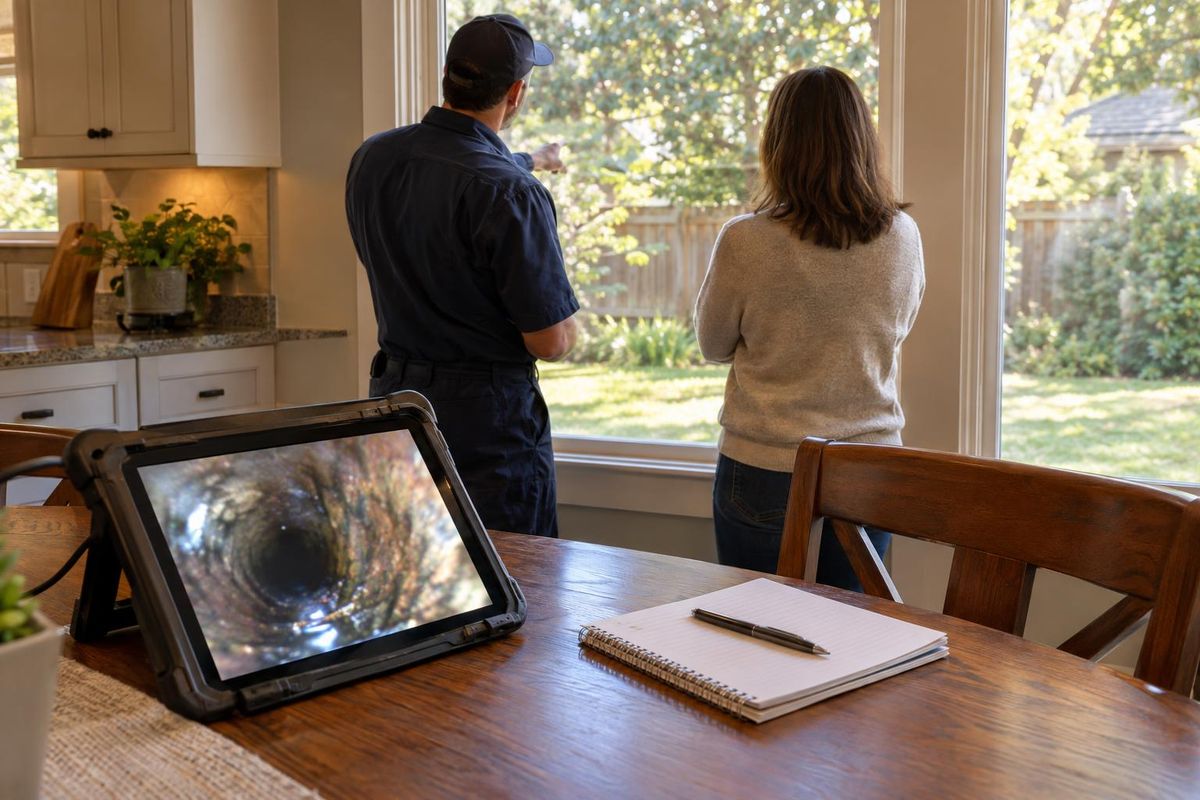
- A camera inspection settles which fits.
What lining does
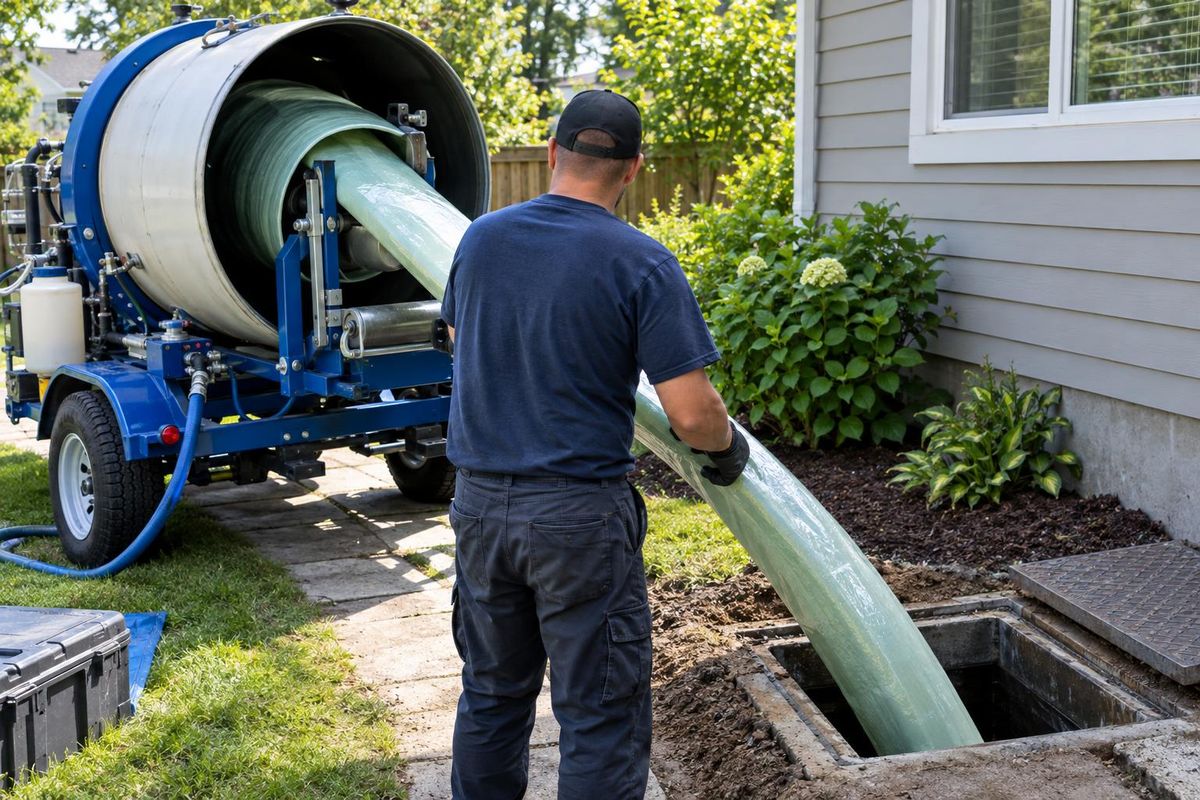
A resin-saturated liner is placed inside the old pipe and cured to form a new, smooth pipe. It seals cracks, joints and root entry points and slightly reduces the diameter.
It needs a pipe that is still aligned and open enough for the liner.
What bursting does
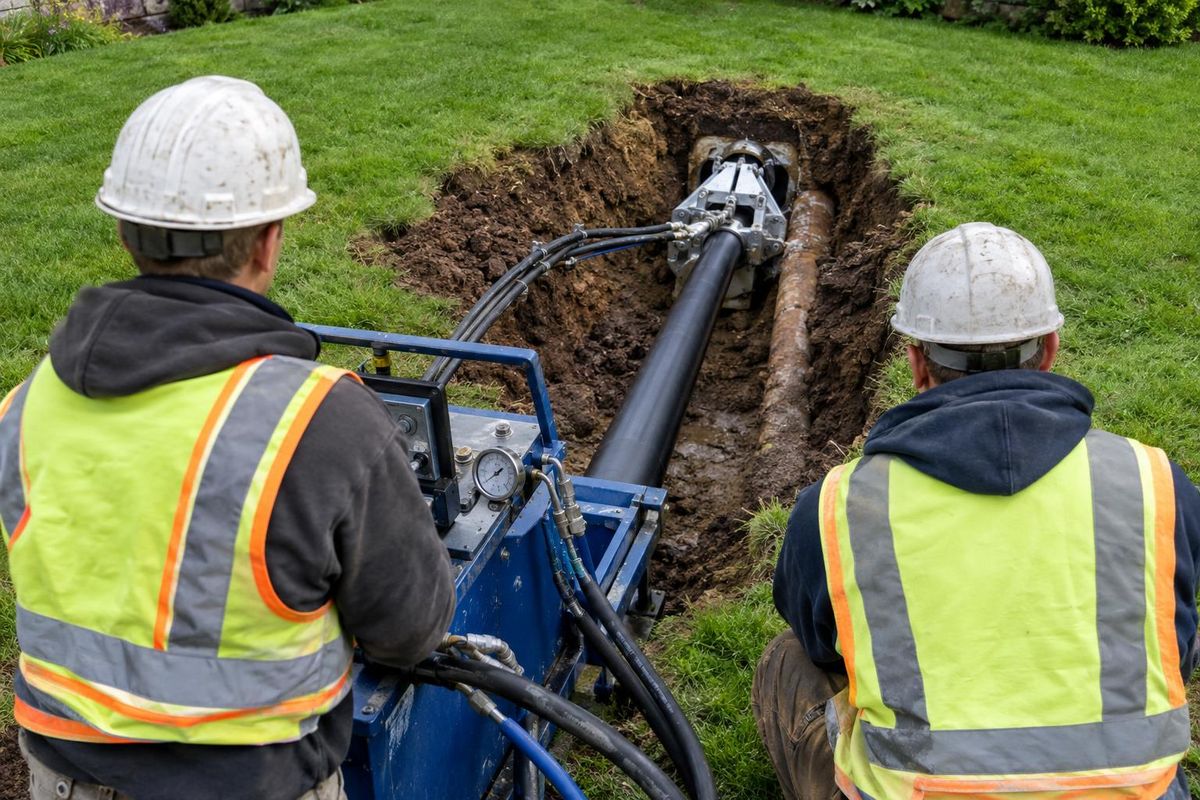
A bursting head is pulled through the old pipe, breaking it outward, while a new pipe is pulled in behind. The new pipe can be the same size or often a size larger.
It needs access pits at both ends and room in the soil around the pipe.
Conditions that point to lining
Cracked joints, root intrusion and general aging with the pipe still in line suggest lining. It is often the least disruptive choice.
The liner follows the old pipe, so it keeps its path.
Conditions that point to bursting
Collapsed sections, bellies, crushed or failed fiber pipe and pipes that need a larger size suggest bursting or another replacement.
A new pipe is laid at proper grade.
Quick answers
Can one line use both methods?
Yes. A sound section can be lined while a collapsed section is replaced.
Which is faster?
Both often take a day or two. The camera and planning set the schedule.