Key takeaways
- Roots enter through cracks and loose joints in search of moisture.
- Cutting clears the line but does not stop regrowth.
- Sealing the pipe removes the entry points.
- Planting choices and barriers help over the long run.
Why roots enter pipes
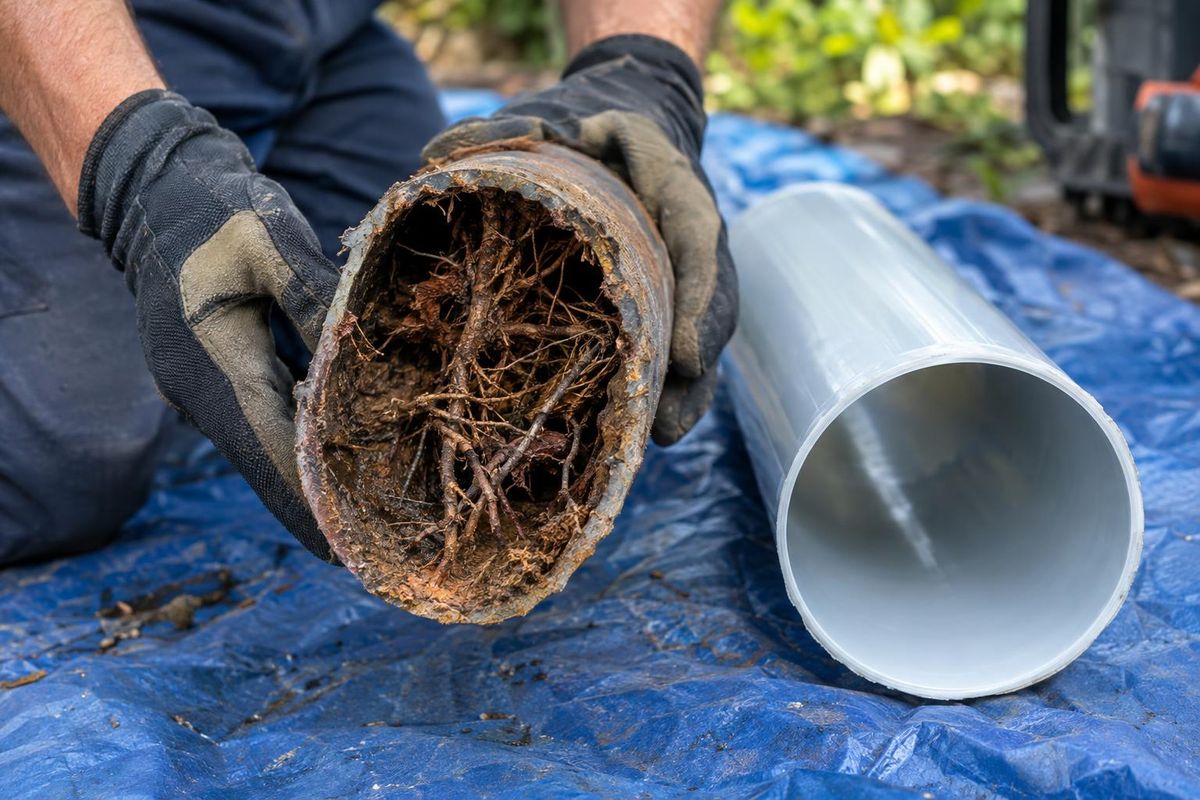
Sewer pipes carry warm, nutrient-rich water. Tiny leaks at joints and cracks release moisture and vapor that roots follow. Once a root finds a gap, it grows inside and thickens into a mat.
Older clay pipe with many joints is especially vulnerable.
Clearing the line
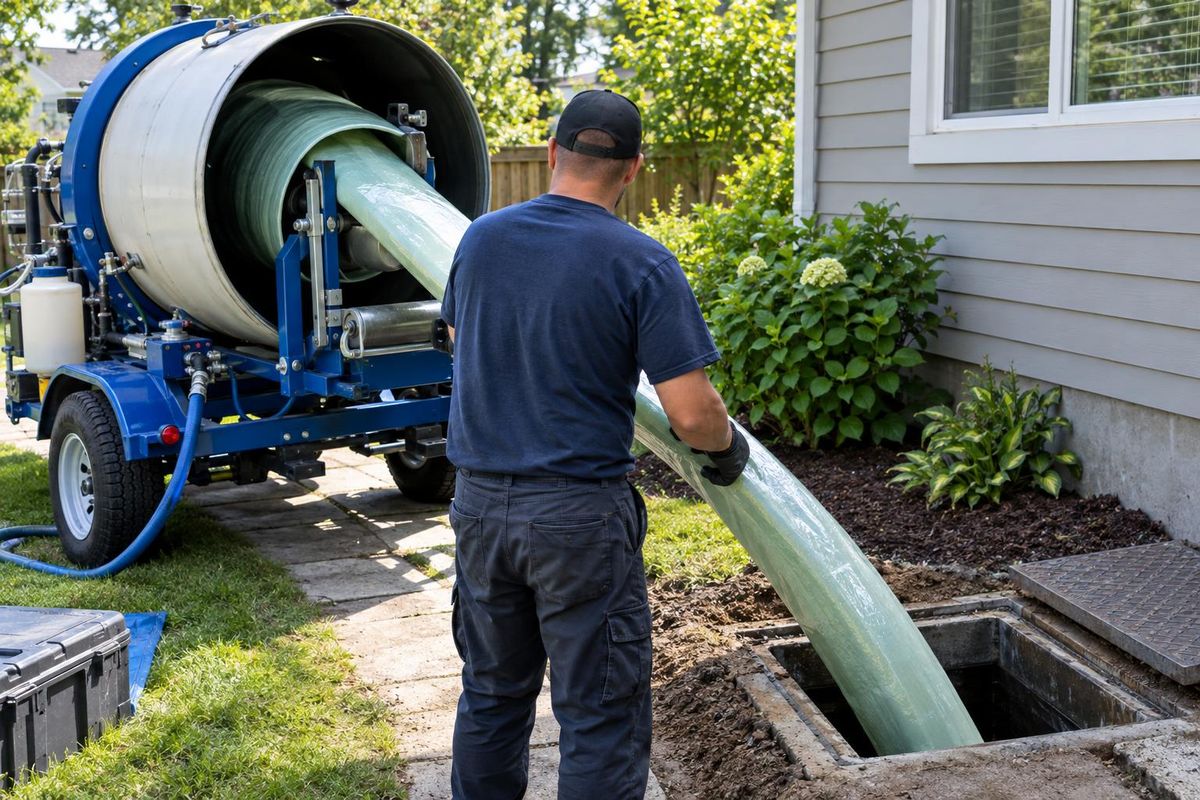
Cutting heads and jetting remove the root mass and restore flow. It is the right first step, because lining requires a clean pipe.
Without sealing, the roots usually return.
Sealing the entry points
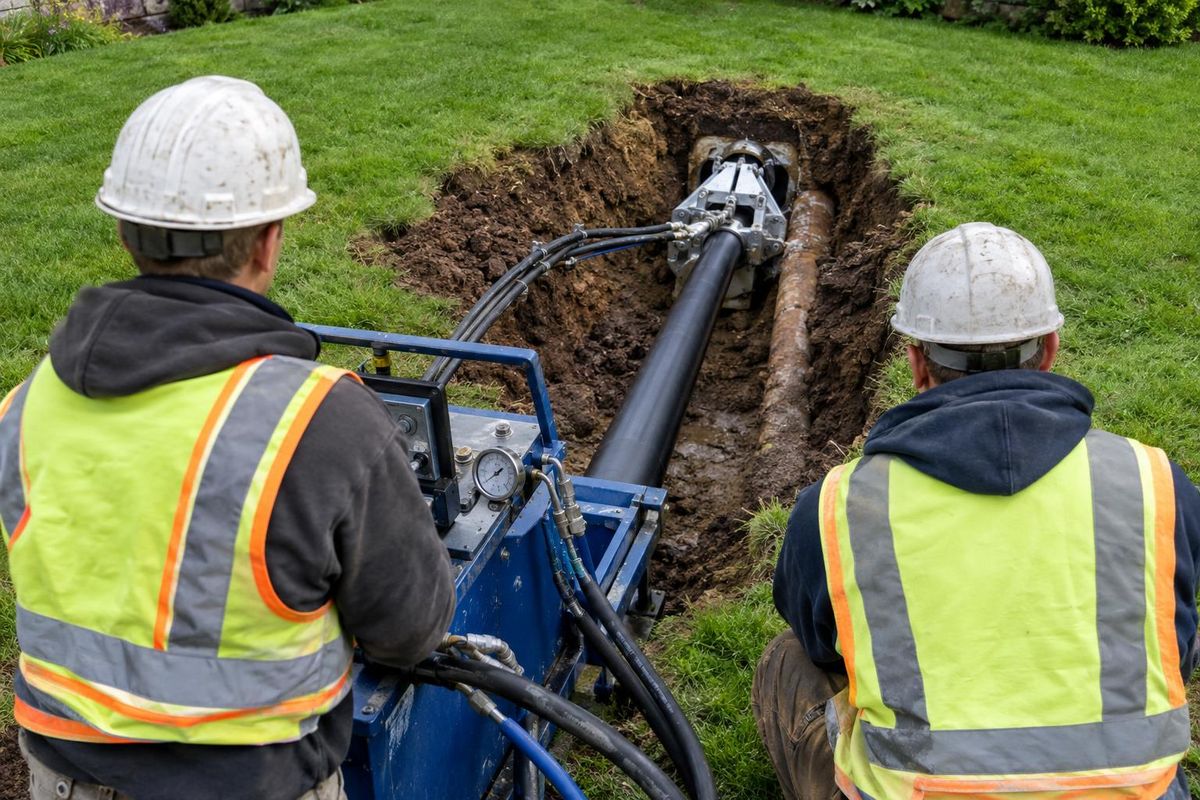
A liner fills in cracks and joints so roots have no way in. Replacement does the same with a new, sealed pipe.
This is the lasting fix for most root problems.
Living with trees
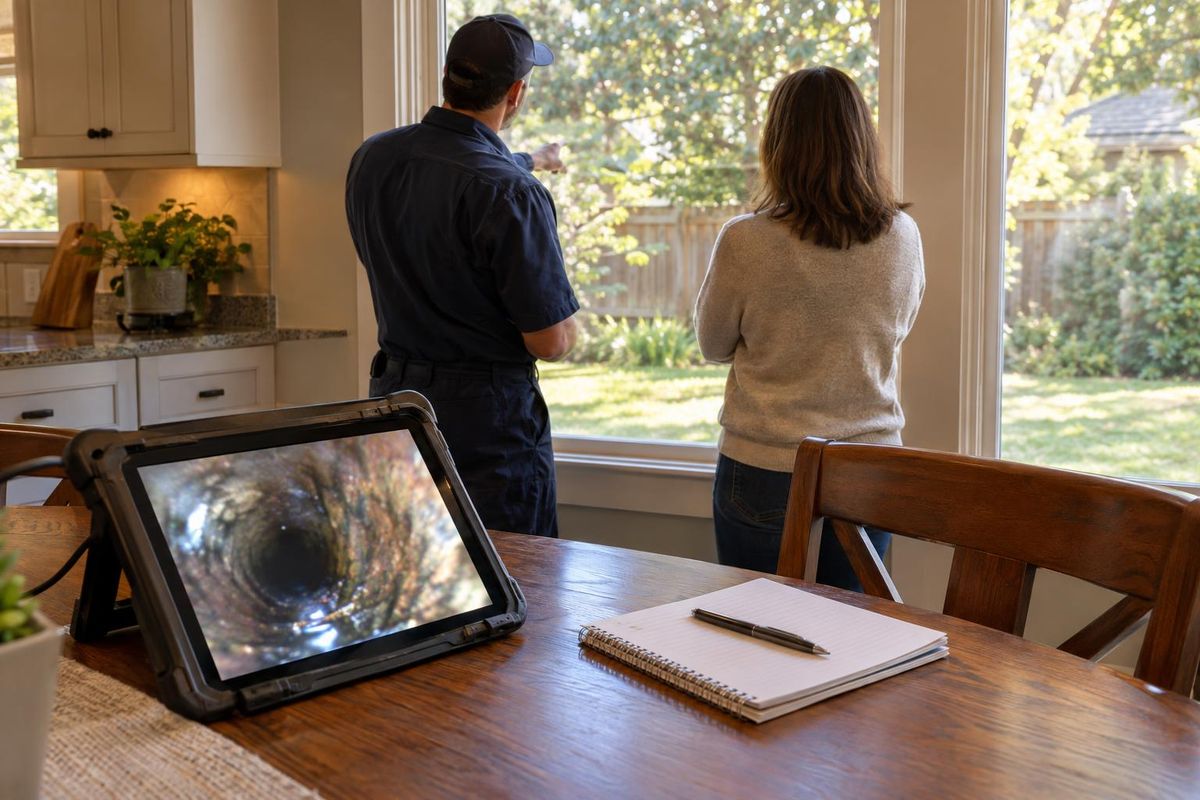
You usually do not need to remove a healthy tree. Keep new thirsty trees away from the line, consider barriers and schedule a camera check as the trees mature.
A sealed pipe and a large tree can coexist.
Quick answers
Will root killer solve it?
It can slow regrowth in some cases but does not repair the pipe.
How close can trees be to a sewer?
There is no single rule. Fast-growing, thirsty trees close to the line are the biggest risk.