Key takeaways
- Inspect all main lines and keep the footage.
- Prioritize by condition and by risk.
- Plan work around tenants, residents and business hours.
- Document everything for files and boards.
Start with an inventory
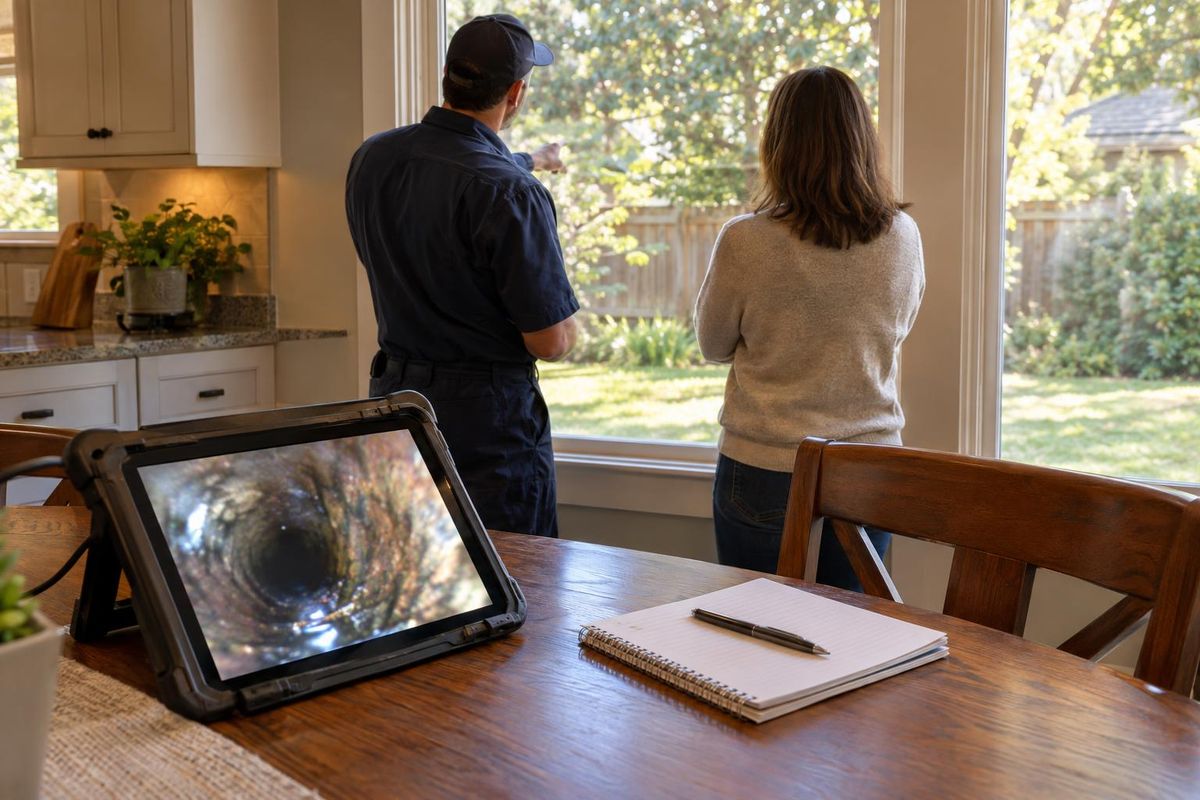
List every main line, branch and cleanout and have them recorded on camera. A map and a condition rating turn a vague worry into a plan.
Include storm lines where they matter.
Prioritize
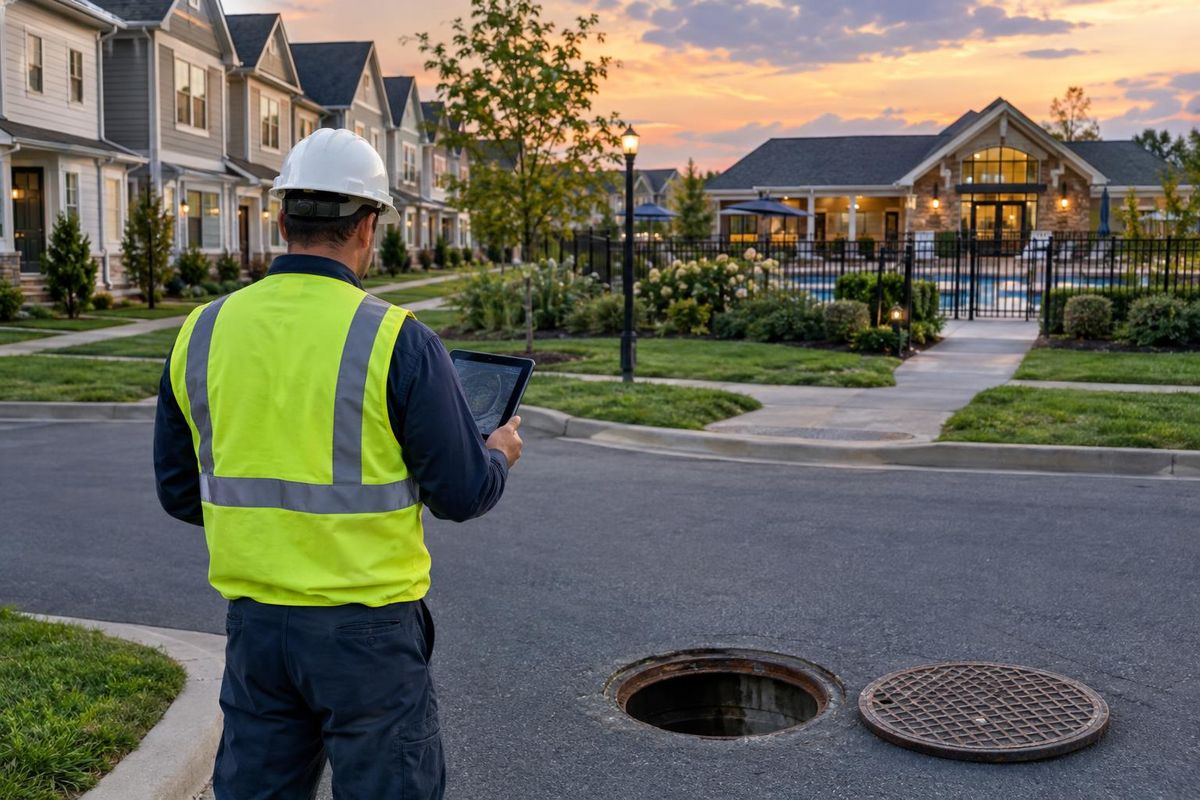
Rank lines by condition and by what happens if they fail: restaurants, units, entrances and shared systems carry more risk.
Plan to address the worst lines first.
Work around people
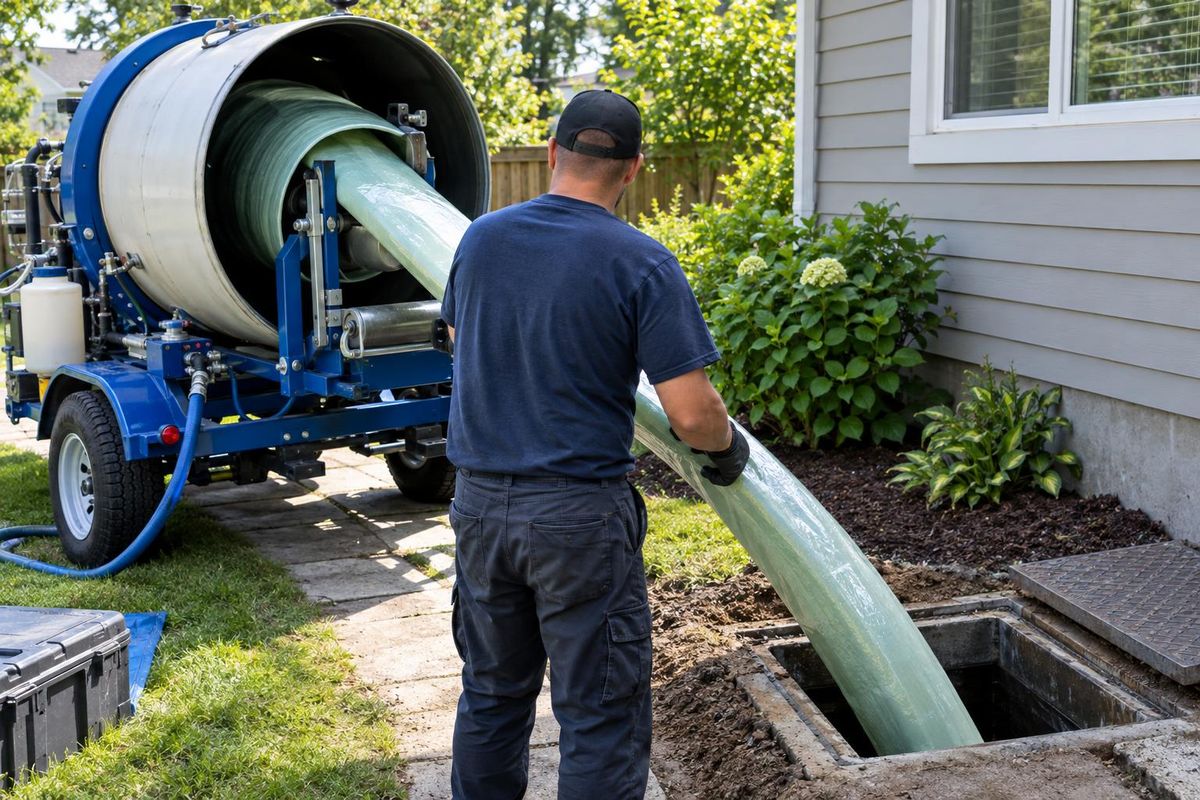
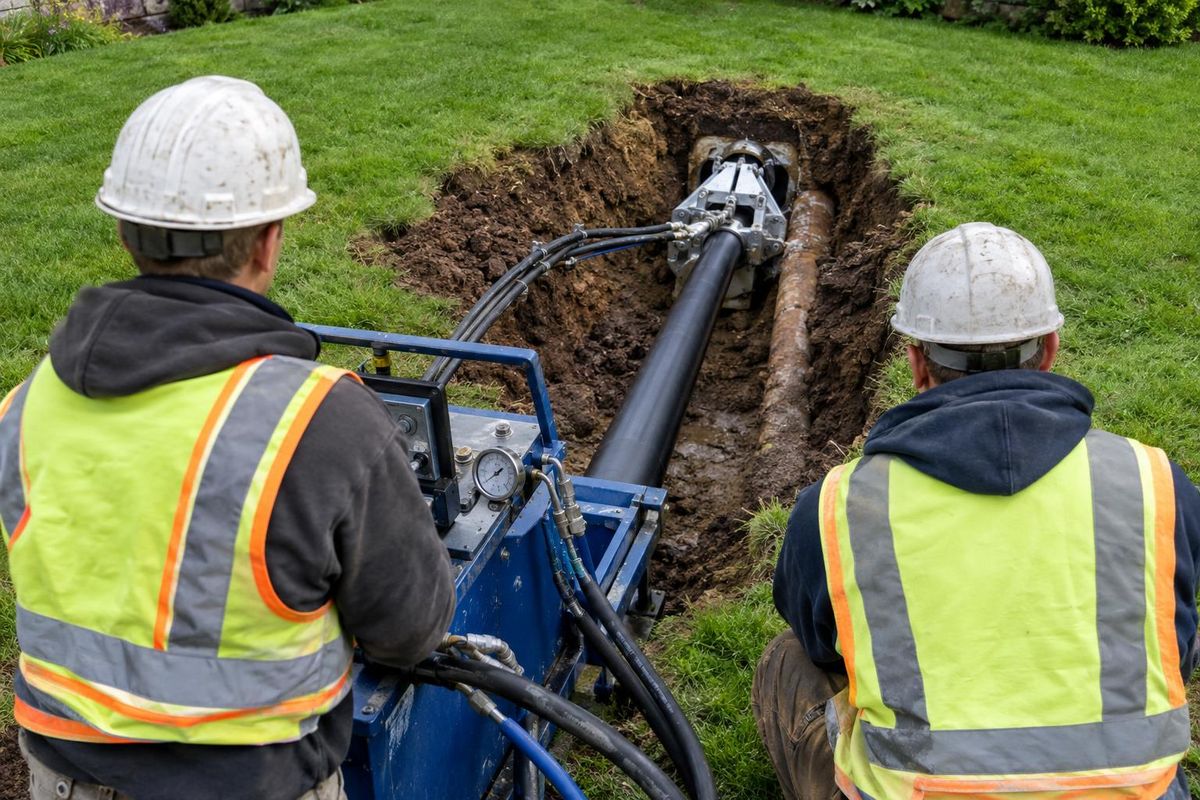
Good scheduling avoids peak business hours and keeps residents informed. Trenchless methods keep parking and walkways usable.
Ask contractors how they notify and phase.
Document for the file
Keep footage, reports and invoices together. They support board decisions, insurance questions and future owners.
A maintenance plan keeps the record growing.
Quick answers
How often should private lines be inspected?
Older lines benefit from a camera check every few years, and sooner after problems.
Can work be phased over a budget cycle?
Yes. We help prioritize and stage the work.