Key takeaways
- Start with a camera inspection of the whole line.
- Match the method to the pipe condition, not to a habit.
- Consider what is above the pipe: trees, drives and landscaping.
- Ask for options side by side and a written summary.
Step one: see the pipe
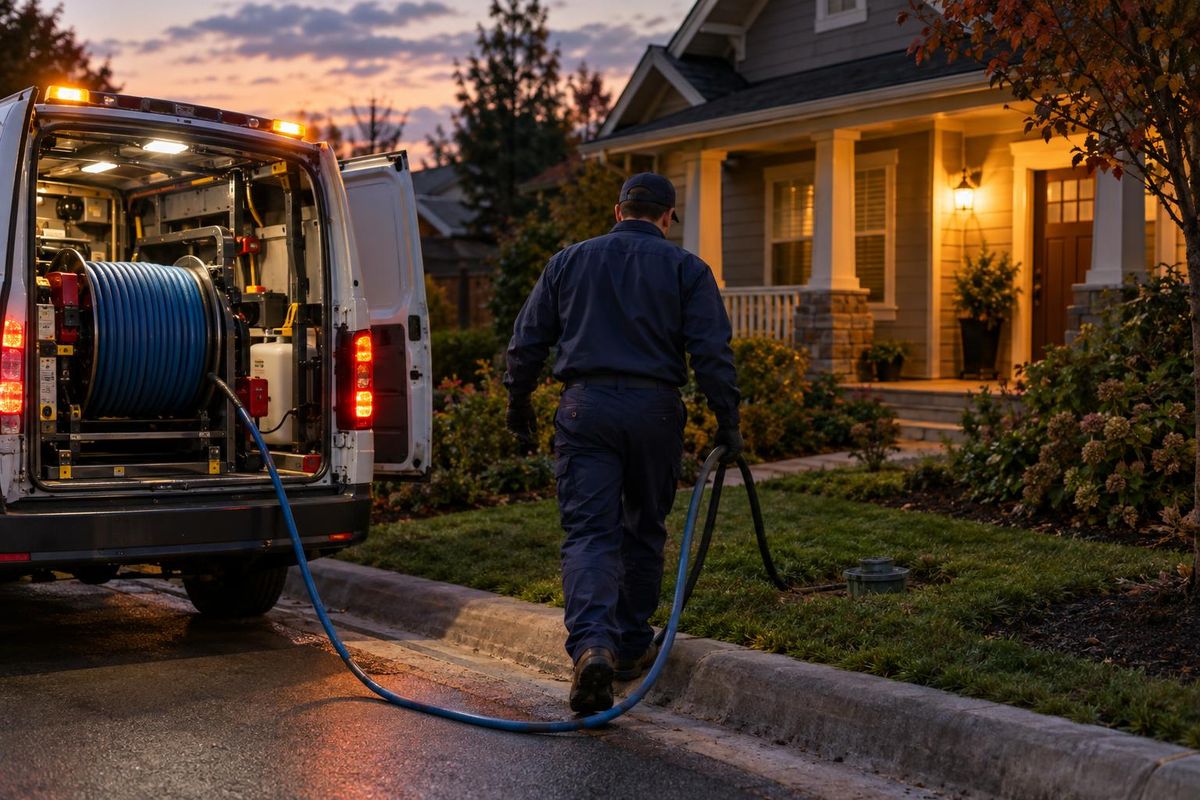
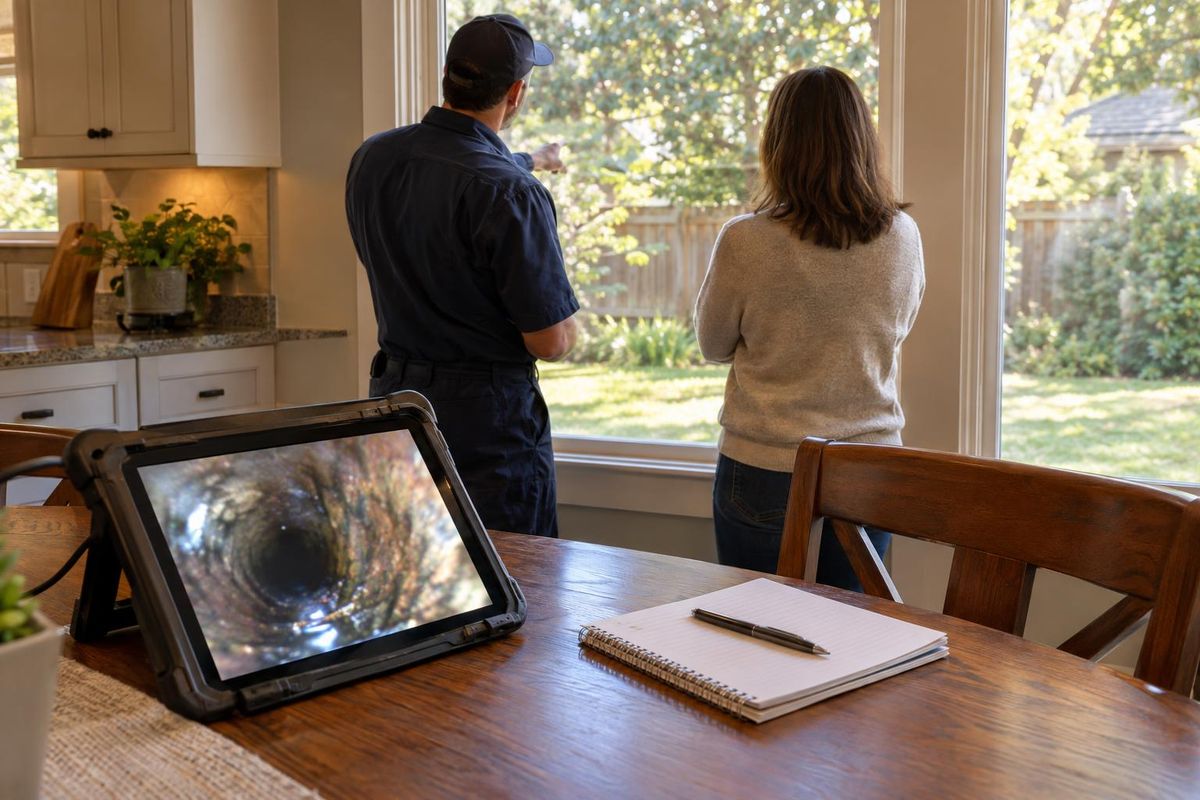
A camera records the inside of the line. You and the contractor should both look at the same footage.
It shows cracks, roots, offsets, sags and the pipe material.
Step two: read the condition
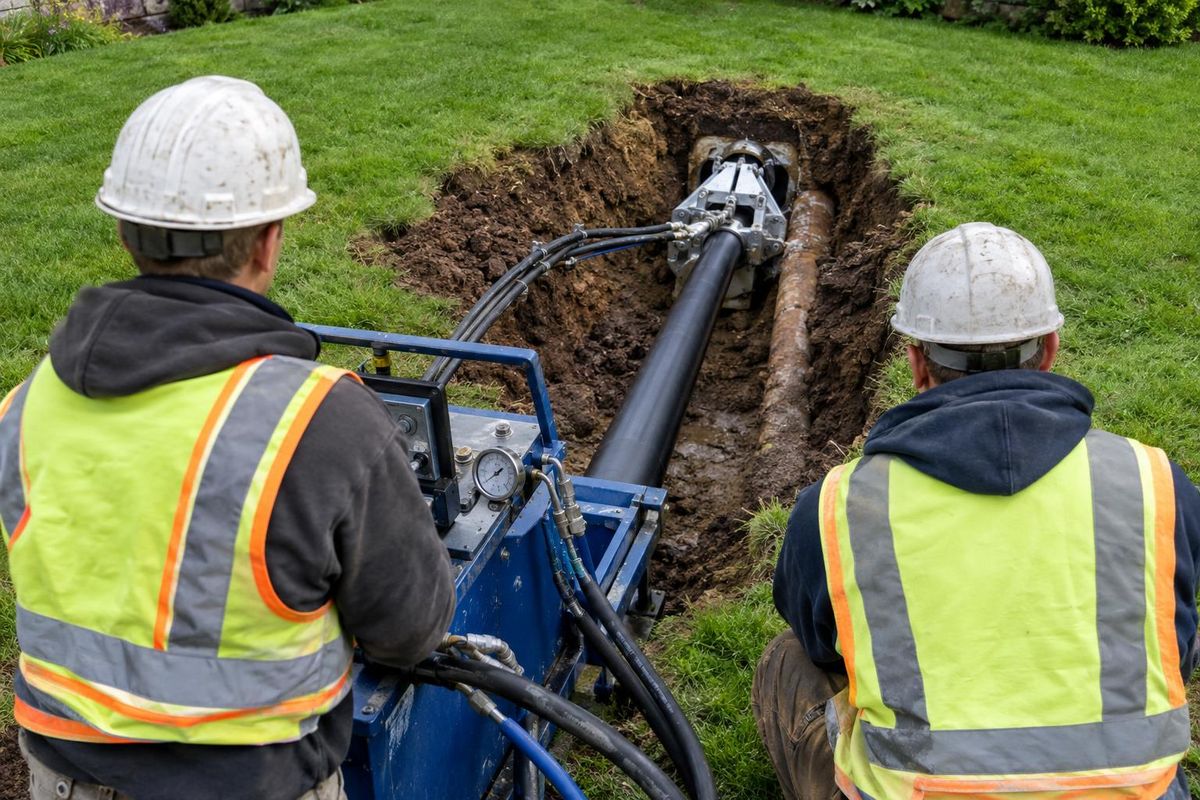
If the pipe is intact and aligned, lining is usually possible. If it is collapsed, crushed or sagging, replacement is more likely. If only one spot is bad, a point repair may be enough.
The number and type of defects matter as much as the worst one.
Step three: look above the ground
Mature trees, stamped concrete, pavers, irrigation and neighbors all affect which access points are acceptable.
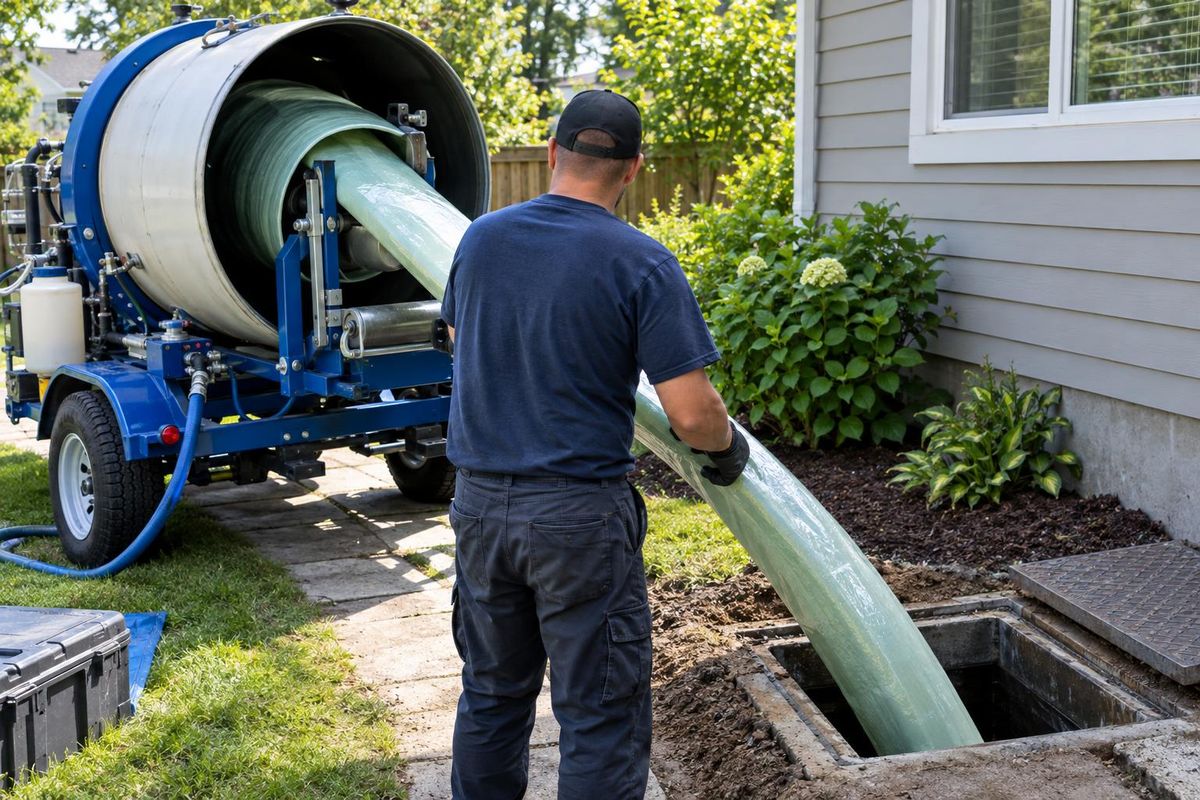
Trenchless methods reduce the impact, and planning protects the rest.
Step four: compare and decide
Ask for each reasonable option with its scope. Compare not only the repair but also the disruption, the timeline and the restoration involved.
A written summary keeps everyone honest.
Quick answers
Should I get a second opinion?
It is reasonable for a major repair. Sharing the same camera footage makes comparisons fair.
How long does the decision take?
Often just a visit and a camera run. We explain the findings on the spot.