Key takeaways
- Trenchless methods avoid long trenches and protect landscaping.
- Open-cut is simple and sometimes the best choice.
- Restoration is much smaller with trenchless work.
- The pipe condition and the site decide.
Impact on the property
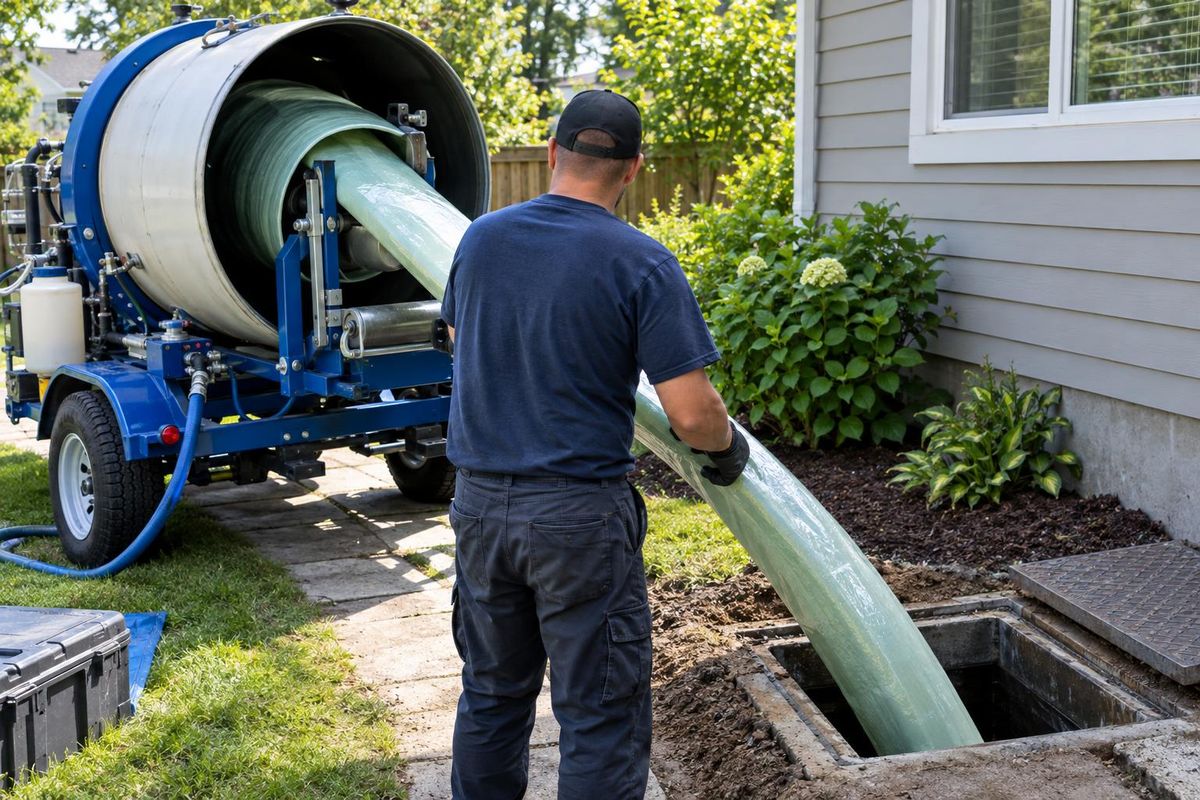
An open trench removes lawn, plants, driveways and anything in the way, and it takes days to restore. Trenchless work needs a cleanout or one or two small pits.
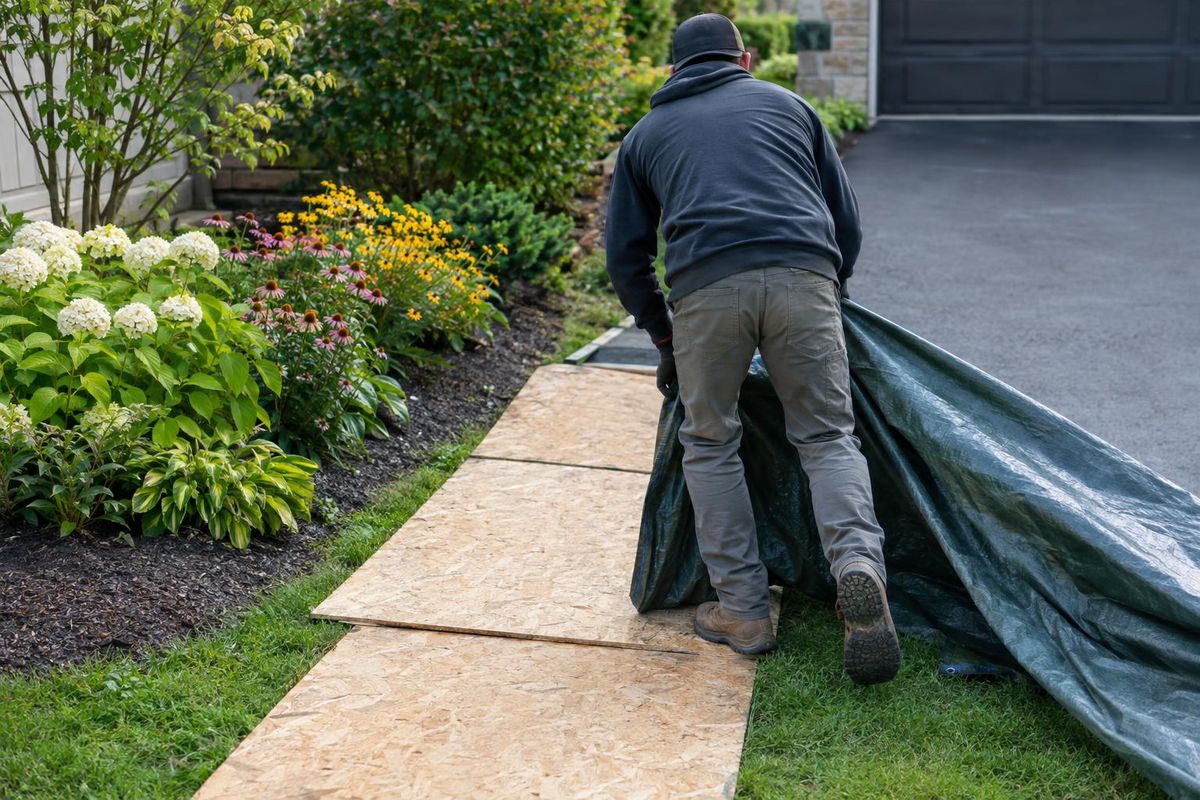
Trees, patios and driveways usually stay.
Time and disruption
Trenchless jobs often finish in a day or two with less noise and fewer people on site. Open-cut repairs can take longer, especially with deep or long lines.
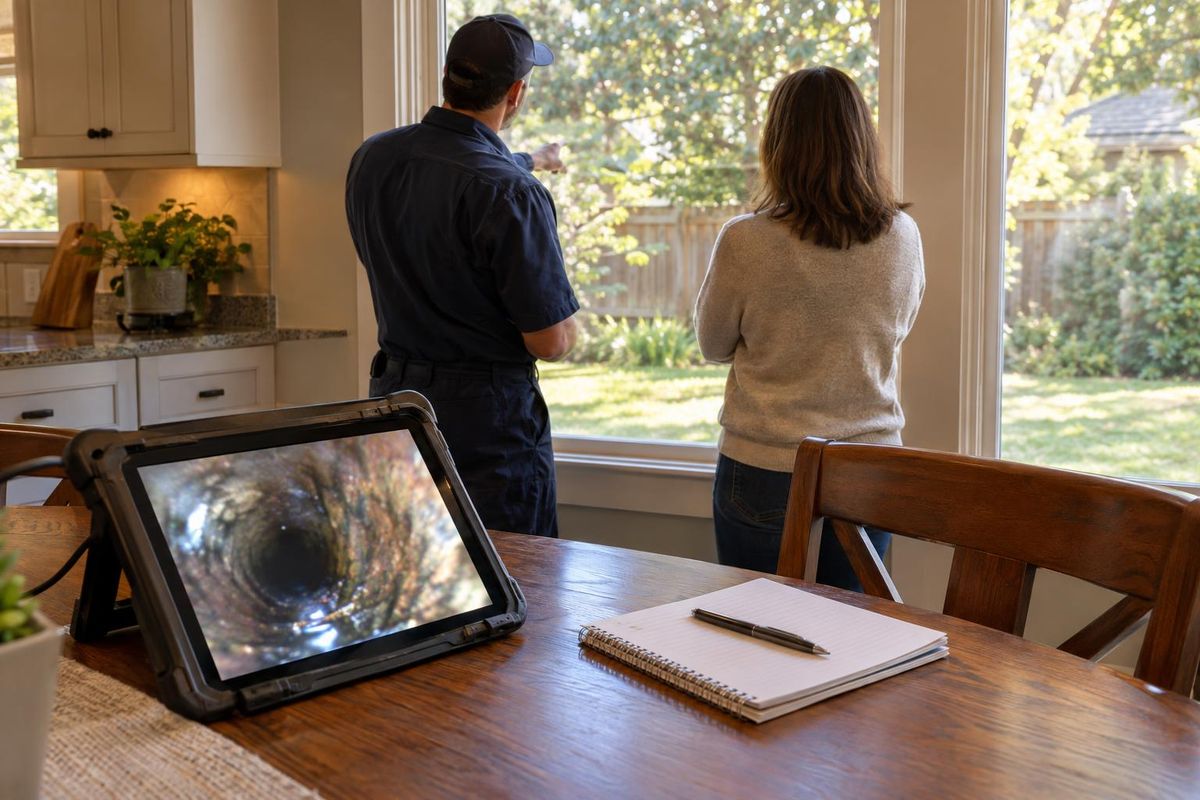
The camera and planning set the actual schedule.
When digging is better
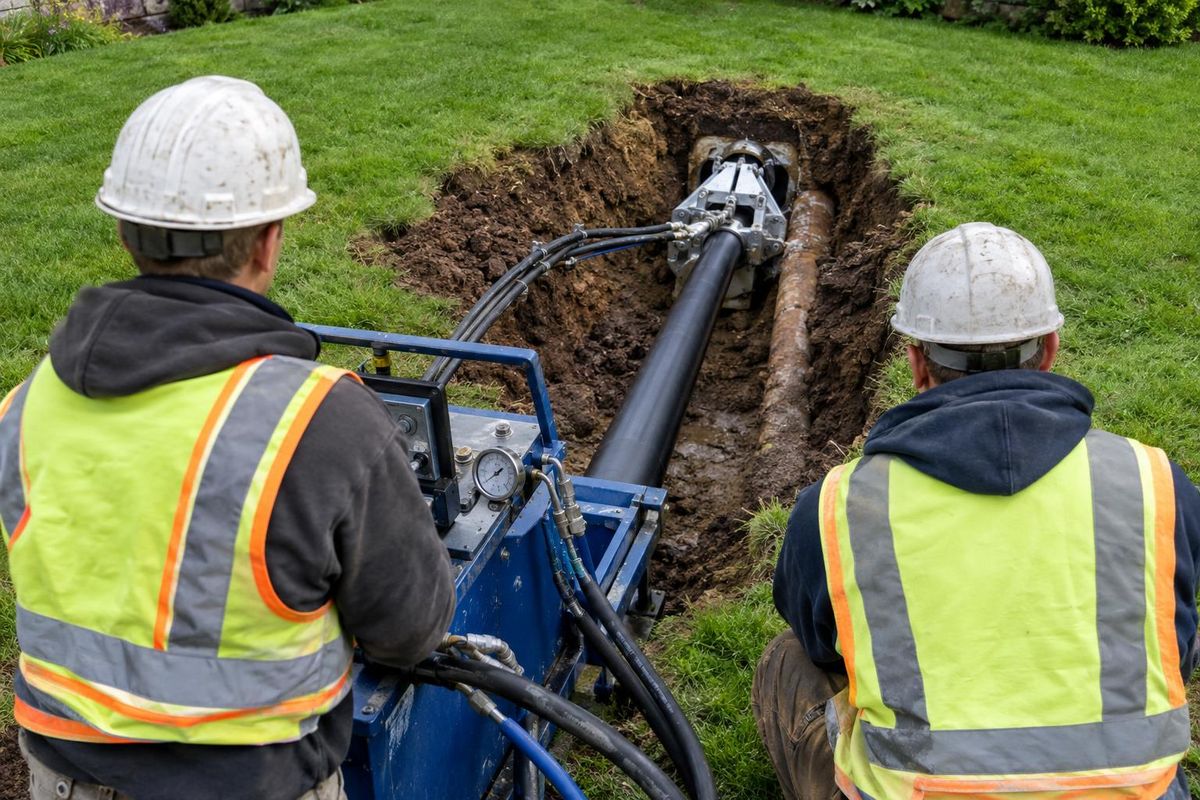
A short, shallow section may be fastest by digging. Some pipe conditions and layouts leave no trenchless option.
A good contractor tells you honestly.
What restoration looks like
After trenchless work, the pits are backfilled, compacted and re-sodded. After a trench, restoration can include a long strip of lawn and sometimes hardscape.
Ask what is included before you decide.
Quick answers
Is trenchless always less work for me?
Not on every job, but restoration and disruption are often much smaller.
Can part of a job be trenchless?
Yes. Many jobs combine a small excavation with lining or bursting.